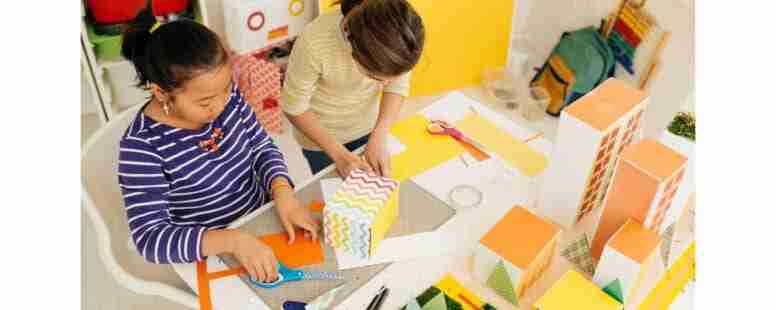
Learning is most impactful when it feels like a big ol’ adventure. When kids are engaged, curious, and feel ownership over their education, they absorb knowledge more deeply and enjoy the process. Although discovery-based learning, choice, and freedom are often associated with gifted education, these strategies benefit all learners by making education dynamic and meaningful.
Gameschooling provides the perfect opportunity to incorporate these principles into your homeschool routine. Let’s explore how you can integrate discovery, choice, and freedom into learning through games.
1. Discovery in Learning: Let Them Find the Answers
Discovery-based learning allows kids to engage with material actively rather than passively absorbing information through direct instruction. This approach emphasizes problem-solving, critical thinking, and exploration.
How Games Encourage Discovery
- Experimentation: Games like Minecraft teach kids to experiment with building materials and tools, sparking creativity and engineering skills.
- Problem-Solving: Logic-based games like ThinkFun’s Gravity Maze or Rush Hour push learners to solve puzzles and think critically.
- Research Extension: After playing Ticket to Ride, kids can research the geography or historical significance of the railroad routes they built.
Activity Idea
Play a history-based game like Timeline and challenge your child to research an event they found intriguing. They could create a short report, infographic, or even a mini-documentary on the topic.
As writing is one of those skills that creeps into every subject, consider the STEAM extension writing activities from Curio. There are dozens to choose from that could tie in nicely to whatever else your family is working on!
2. Choice: Empower Kids to Take Charge of Their Learning
When kids have a say in what and how they learn, their intrinsic motivation skyrockets. Using games to level up your homeschool naturally allows for this freedom, as many games offer flexible rules or multiple paths to victory.
Incorporate Choice with Gameschooling
- Allow your child to select which game aligns with your learning goals. For math practice, they could pick between Sum Swamp or Prime Climb.
- Let kids choose how deeply they dive into a topic. For example, after playing Photosynthesis, some kids might simply enjoy the strategy, while others might want to research how forests contribute to the planet’s ecosystem.
- Looking for an app? Try XtraMath for some fun math practice in multiple languages!
Activity Ideas
Ask your child to create their own rules or modifications for a favorite game. This taps into their creativity and reinforces critical thinking. Consider the dozens of writing choice activities from Curio. With options from knight quests and menu creation, to desert survival plans and financial literacy, there’s bound to be a way you can connect these choice-laden activities with your learning plans.

3. Freedom in Presentation: Creativity Meets Knowledge
Gifted learners—and kids in general—often thrive when they can express their knowledge in ways that feel authentic to them. Instead of traditional assignments, allow them to showcase what they’ve learned in creative formats.
Presentation Ideas Inspired by Games
- Building: After playing a geography-based game, kids can create a 3D map using clay or LEGO bricks.
- Storytelling: Use a game like Rory’s Story Cubes to spark a creative writing assignment.
- Designing: Encourage kids to invent their own game based on a topic they’ve studied.
Activity Idea
Have your child design a game based on their favorite book or historical period. This combines creative writing, critical thinking, and artistic skills.
Games aren’t just for fun—they’re an incredible way to put the scaffolding in place when things get chaotic so that discovery, choice, and freedom are woven into the fabric of your homeschool routine. These principles foster curiosity, independence, and a lifelong love of learning in every child, no matter their abilities or interests.
Want more tips for creative and effective homeschooling? Explore our resources at ThinkCurio.com. Melissa Muir, MAT is a homeschool mom of four and the creator of Think Curio, a platform dedicated to innovative, discovery-based learning. Their curriculum, resources, and classes support families looking to level up in writing, public speaking, language learning, and more. Find more inspiration at ThinkCurio.com.
Thanks so much for your leadership in helping me (and so many others!) understand the joys of gameschooling AND how I can use it as I support my learners!
Onward!
Aww, thanks! Right back at ya!